

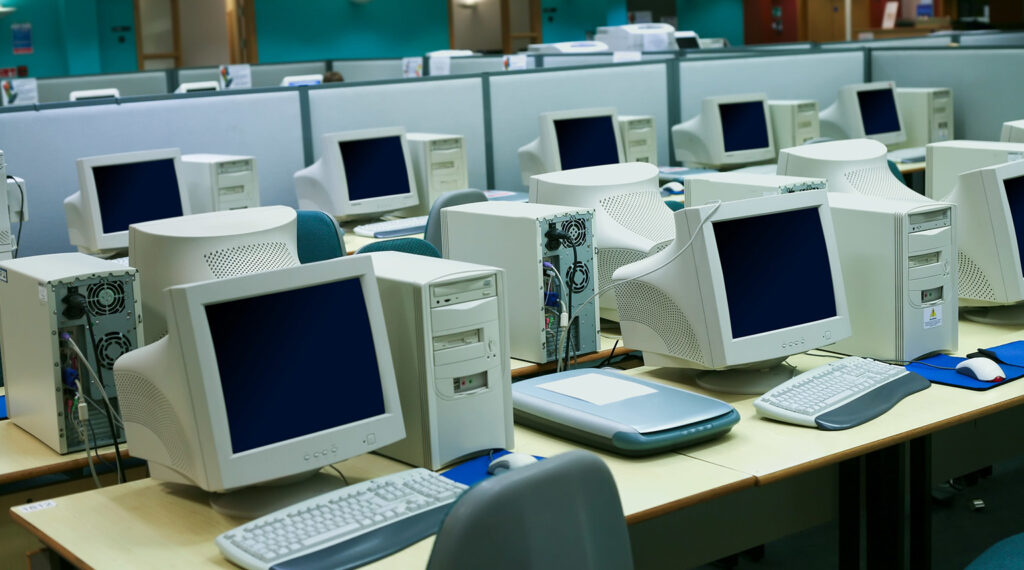

When you IT systems are working, it can feel like a bit of a waste of time to start poking around an upgrading. If it ain’t broke don’t fix it, right? Well… we have been doing some digging and would have to disagree.
For many businesses across Bristol and Bath, outdated tech is causing more problems than they realise because it’s happening quietly in the background. Legacy systems are a security risk and typically much slower, putting your business back way more than you may be aware of.
Why outdated IT is costing your business more than you think
Outdated technology is part of the office furniture, similar to the slightly wobbly table in the staff room. It works (most of the time), and replacing it doesn’t feel as urgent as all of the other priorities your business has.
But what if you knew that over time, these legacy systems can start to create hidden costs:
- Slower day-to-day operations
- Increased downtime and disruptions
- Higher maintenance and support needs
- Greater exposure to cyber threats
What starts as a small inconvenience can quickly turn into something that impacts your entire business. We’ve seen this time and time again with businesses across Bristol and Bath, legacy systems quietly reduce efficiency without being immediately obvious.
The impact of leaving legacy systems
Outdated IT doesn’t always fail dramatically. It usually shows up daily as slow or unreliable Wi-Fi, patchy connectivity and limited compatibility with modern platforms and integrations leading to frustrated staff. You may be thinking, okay, well it doesn’t sound that bad? But whilst these issues might seem minor individually, together they can significantly reduce productivity.
Security risks you can’t afford to ignore
One of the biggest risks of outdated IT systems is security. Unsupported software and legacy systems often:
- No longer receive security updates
- Have known vulnerabilities that can be exploited
- Lack modern protection against evolving cyber threats
In this day and age, cybersecurity is key, and this issue creates unnecessary exposure. Especially as cyber-attacks become more sophisticated.
When technology doesn’t perform as it should, the impact doesn’t stop with your team. It often spills over into the experience you deliver to your customers. Internally, it looks like slow systems, constant interruptions, and frustration with unreliable tools. Externally, those same issues can lead to delays, poor connectivity, and a drop in service quality.
Why this is so common for local businesses
Many growing businesses in Bristol and Bath reach a point where their technology no longer matches their needs, we are lucky to live in such an innovative area with many new businesses launched each month. However, this can mean that the tech that worked when the business was smaller can’t support more users and becomes harder to maintain.
Businesses relying on a mix of older systems, quick fixes, and workarounds will eventually come up against trouble.
So, what’s the solution? Modern, reliable IT
The good news is that these issues are avoidable! With the right tech in place, businesses can move away from reactive fixes and move towards reliable, scalable systems that support growth.
What does this look like in practice?
- Moving away from legacy servers through cloud migration
- Improving connectivity with better network infrastructure
- Upgrading systems to ensure security and performance
- Ongoing IT support to keep everything running smoothly
The goal isn’t to overcomplicate things or cause unnecessary aggro, it’s to make your technology work quietly in the background, exactly as it should.
For businesses across Bristol and Bath, upgrading your technology isn’t about keeping up with the latest trends, it’s about creating a stronger, more reliable foundation for your business in the future. If your systems are starting to feel like they’re holding you back, it might be time to take a closer look.
Thinking about reviewing your IT setup?
A small change now can prevent bigger problems later, let us help your business run far more smoothly.